

Sayulita has surf all year, but not the same surf. Through the dry winter, swells from the northwest roll into the bay small and clean, and the town waves are at their most dependable. Through the wet summer, swells from the south and southwest bring fewer but heavier days, and the reefs and points around the bay come to life.
The sea never gets cold. It bottoms out around 24°C in March and climbs past 31°C by September, so a rash vest or a thin shorty is the most you'll need. What changes more than the water is the crowd, the rain and, from June to November, the chance of a storm offshore.
Two swell seasons
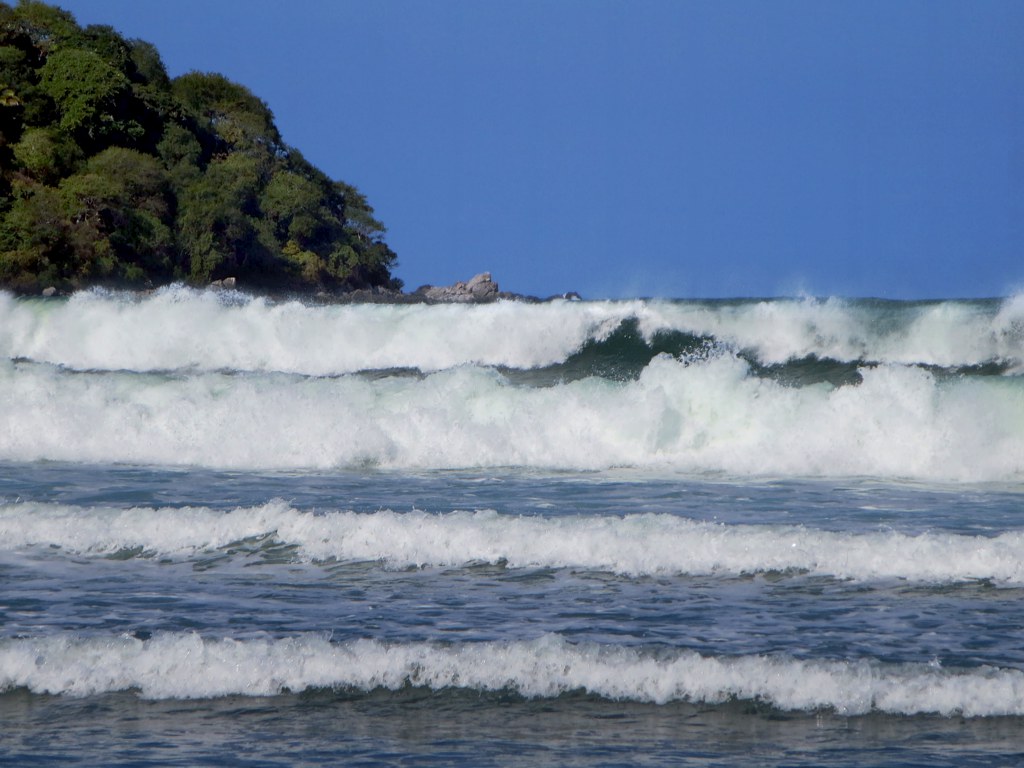
From about November to April, storms in the North Pacific send swell down the coast from the west-northwest. It arrives in Sayulita small, regular and clean, often with glassy mornings and light winds. This is the season the town right is at its best, and the one surf guides recommend for learning.
From about May to October, the swell swings round to the southwest and south, some from far to the south and some from tropical storms closer in. These swells are less frequent but longer and more powerful, and they suit the spots that face south: La Lancha, Burros, El Anclote, San Pancho and the points up the coast. September and October are when the year's biggest days tend to turn up.
Winter: northwest, about Nov–Apr
- Smaller, cleaner, more regular
- The town sandbar and right at their best
- Dry, sunny, light morning winds
- The busiest months in the water
Summer: south, about May–Oct
- Fewer swells, but heavier and longer
- Reefs and points to the south and north switch on
- Rain most afternoons from late June
- Quieter lineups, warm water, storm season

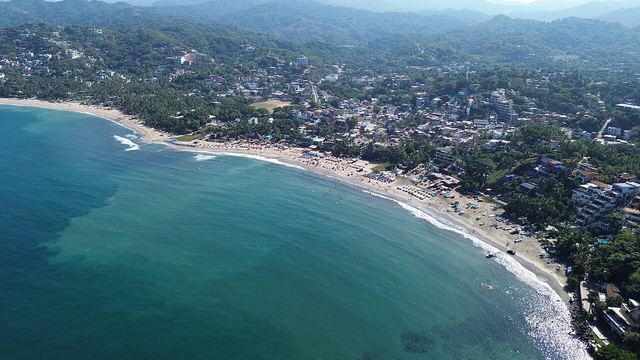
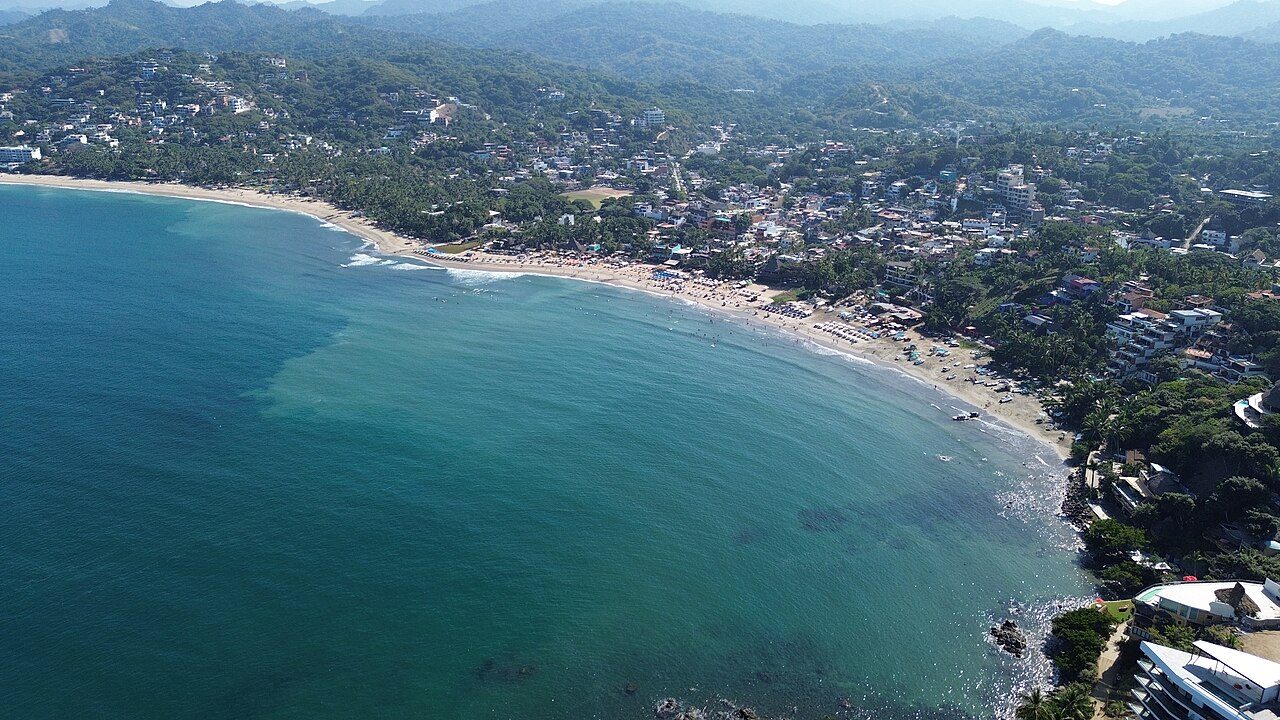
Playa Sayulita
The town beach, where the winter northwest swells are at their most reliable.
The sea: warm all year
Ten years of ocean data put the sea off Sayulita at about 24°C from February to April. It warms quickly through May and June and stays above 30°C from July to October.
In the cooler months a rash vest or a thin shorty keeps the morning chill off, and booties help on the reefs. From June, boardshorts or a swimsuit and a rash vest for the sun are enough.
- 24°C
- the sea in March, its coolest
- 29°C
- the sea in June
- 31°C
- the sea in August and September
- 27°C
- the sea in December
Month by month
The sea temperatures and swell directions below are ten-year averages for the bay; the crowds and rain are what the town and the records show in a typical year.
- JanuarySea about 25°C. West-northwest swell, the most consistent of the year. Busy with winter visitors; dry.
- FebruarySea about 24–25°C. Clean northwest days, light winds. Still high season; whales in the bay.
- MarchThe coolest sea, about 24°C. Spring breaks and, in 2027, Holy Week (March 21–28) fill the beach.
- AprilSea about 24°C. The swell starts to come from the west. Crowds thin after the Easter weeks; almost no rain.
- MaySea warming to about 27°C. The first south swells; low season begins. Hurricane season opens on May 15.
- JuneSea about 29°C. West-southwest swell; one of the quietest months. The rains arrive in the second half.
- JulySea about 30°C. Southwest swell. Mexican school holidays fill the weekends from mid-month; rain on most days.
- AugustSea about 31°C. Southwest swell; the Pacific storm season peaks late in the month. Weekends busy until school returns.
- SeptemberThe warmest sea, about 31°C, and the wettest, quietest month. Big south swells are possible; watch the storms.
- OctoberSea about 31°C. Rain tapers off; storms can still pass. The longboard contest ran mid-month in 2026; the Día de Muertos surf tournament runs Oct 29–Nov 1.
- NovemberSea back to about 28–29°C. Northwest swell returns and high season starts. Mostly dry.
- DecemberSea about 27°C. Northwest swell. Christmas to New Year is the busiest stretch of the year.
How big, really
Averages flatten the surf. Across the decade, the model puts the typical swell in the bay at about two feet with a period of eight to ten seconds, a little bigger in winter (around 2.4 feet in January) and smallest in July. That is why the town sandbar works for lessons most days of the year.
The days surfers remember sit far above those averages. A strong northwest swell in winter pushes the town right to head high, where it starts to close out. A long-period south swell in late summer can lift the reefs at Punta de Mita and the beach at San Pancho well overhead while the town stays modest. Check the forecast for each spot, not just the main beach.
- 2.4 ft
- average swell in January, the year's highest
- 1.5 ft
- average swell in July, the lowest
- 8–10 s
- typical swell period through the year
Crowds, and the quiet months
December to March is high season in town and in the water: winter visitors, US and Canadian spring breaks, Christmas to New Year and Holy Week all bring more boards and more lessons. At the main beach, the sandbar is full by mid-morning and the right is crowded from first light.
The quiet months are May and June, before the rain, and September and most of October, when many visitors stay away and some businesses close for a break. July and August are calm on weekdays but busy at weekends with Mexican families on their summer holidays. Late October fills again for the Día de Muertos festival and its surf tournament.
Whatever the month, the first hour after sunrise is the quietest lineup in Sayulita.
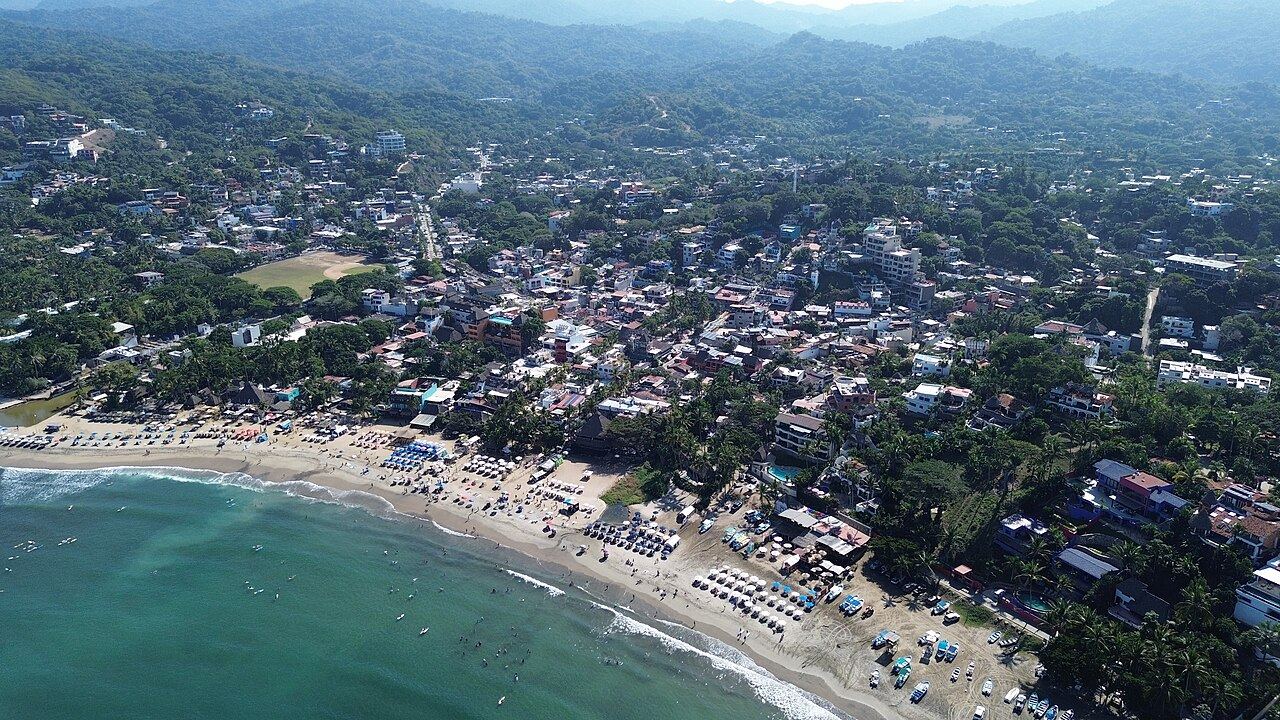

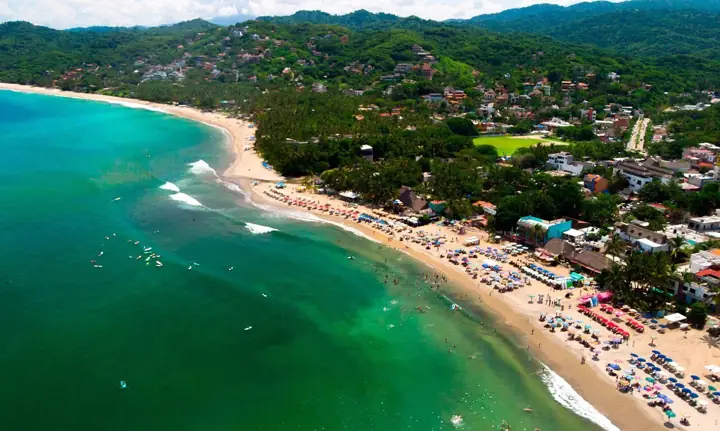
WildMex Surf School & Adventure Center
Runs a shuttle to La Lancha, the usual escape when the town waves are crowded or flat.
Rain, storms and the river
The eastern Pacific hurricane season runs officially from May 15 to November 30, with activity usually peaking in late August. Many pass well offshore, but they can still send big swells and strong rips into the bay. In October 2025 the outer bands of Hurricane Priscilla brought heavy rain and big waves to Nayarit, and in October 2026 a storm watch for Hurricane Trudy covered the coast during the longboard contest, with municipal lifeguards on duty.
When a storm is close, follow the National Hurricane Center and Protección Civil, and stay out of the water if the authorities say so. The storm notice at the top of the Surf & weather page appears on its own when there's a system within range.
Heavy rain also opens the river at the north end of the main beach. Give the river-mouth waves two or three days after a big downpour. The official water tests, taken before Easter, summer and the winter holidays, have found the main beach fit for swimming in every round since spring 2025, most recently in summer 2026.
Which months for you
If you're learning, come between November and April, when the sandbar is small and clean; April and early May keep the same gentle waves with fewer people. If you surf comfortably, November and April to June give you the town right without the peak crowds, and summer swells open up La Lancha and El Anclote. If you're after size, aim for August to October on the south swells, stay flexible and keep an eye on the storms.
Learning
- November to April
- April and May for fewer people
- Lessons on the town sandbar
Improving
- November, April to June
- The town right early in the day
- La Lancha and El Anclote on south swells
Experienced
- August to October
- Punta de Mita reefs, San Pancho, the points north
- Watch the storm forecasts

Questions people ask
What is the best month to surf in Sayulita?
For learning and the town waves, November to April, when northwest swells are small and clean. For bigger surf on the reefs and points, August to October on south swells.
Do I need a wetsuit in Sayulita?
No. The sea stays between about 24°C and 31°C. A rash vest or a thin shorty is enough on cooler winter mornings.
When is Sayulita least crowded for surfing?
May and June, and September and most of October. In any month, the hour after sunrise is the quietest time in the water.
When is hurricane season near Sayulita?
The eastern Pacific season runs from May 15 to November 30, peaking in late August. Many pass offshore but can still bring big swells and rips.
Written by sayulita.co from our own research, checked against 10 sources. Nothing here is paid for. Photos: Luisalvaz (CC0) (CC0); David Stanley from Nanaimo, Canada (CC BY 2.0); Luisalvaz (CC0) (CC0); Ameliebarajas (CC0) (CC0). See something out of date? Tell us.
