



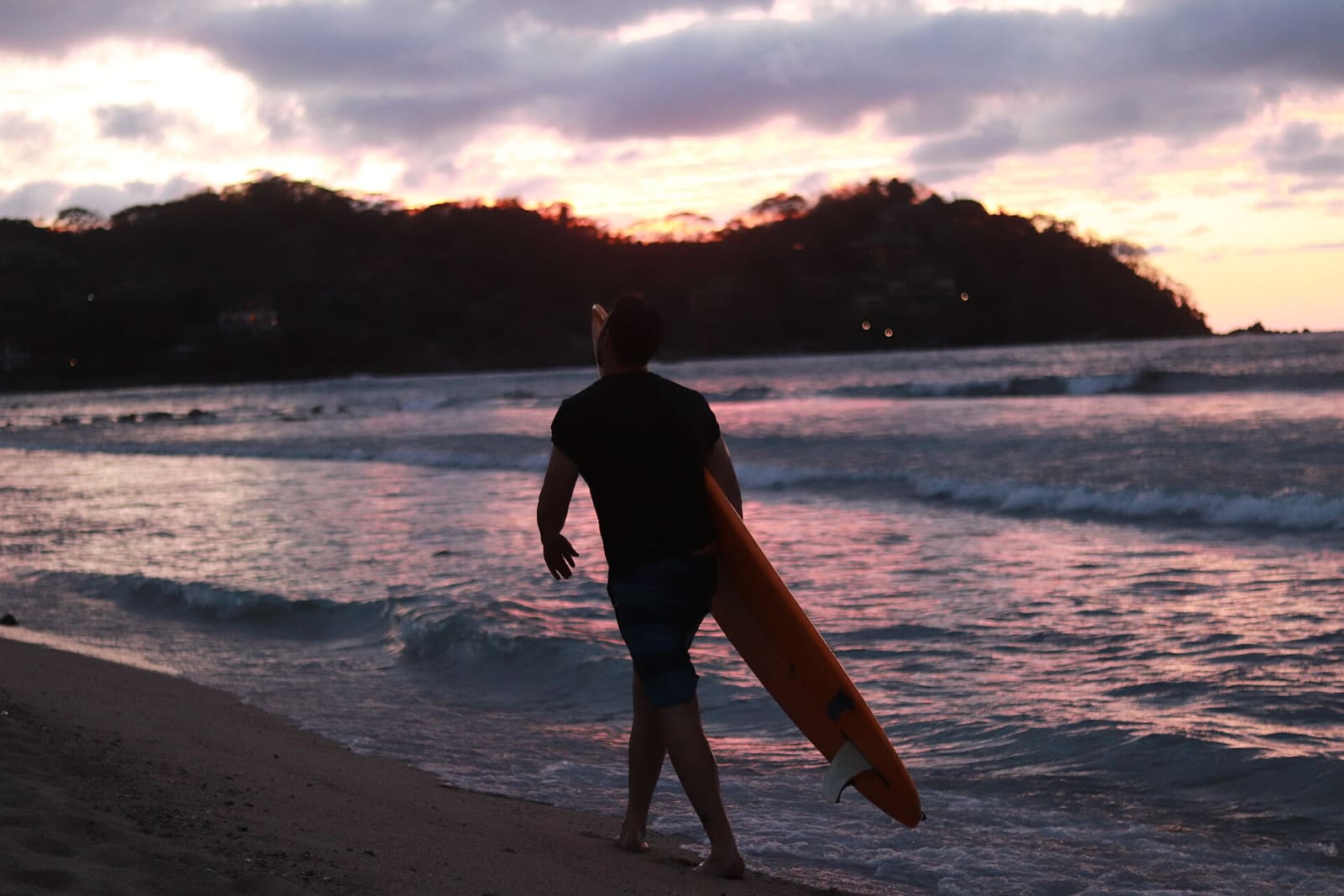
Sayulita sits in the middle of a stretch of coast with a wave for almost everyone. The town beach looks after learners and longboarders most of the year. Twenty to thirty-five minutes south, the Punta de Mita peninsula has reefs and points that take swell from both north and south. Up the coast, San Pancho and Lo de Marcos are quieter and less forgiving.
The rule of thumb: from about November to April the swell comes from the northwest and the town waves are at their most reliable. From May to October the south and southwest swells arrive, and the reefs and points either side of town wake up. In any season, go early, before the wind turns onshore.
Start with today's swell
The live read below comes from the wave models for Sayulita's main beach. Use it as your first filter. A small northwest swell points you to the town sandbar and the right; a solid south or southwest swell is the cue to look at La Lancha, Burros and the Punta de Mita reefs.
Most guides give a wave a level, but the same spot changes character with size. The town right is a cruise at waist high and a different animal on a big winter day; Burros is friendly at chest high and hollow on a big summer swell. Watch a few sets from the sand before you paddle out anywhere new.
Winter, about Nov–Apr
- Northwest swells, smaller and cleaner
- Town sandbar and right at their most consistent
- Glassy mornings; the best time to learn
- The busiest lineups of the year
Summer, about May–Oct
- South and southwest swells, bigger and heavier
- La Lancha, Burros, El Anclote and the points north switch on
- Rain and passing storms from June
- Fewer people in the water, except on summer-holiday weekends
In town: the sandbar, the right and the left
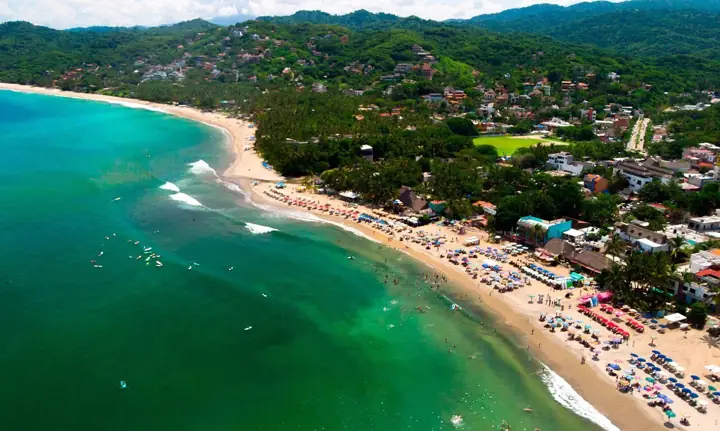
The sandbar in front of the parked fishing pangas is where nearly every lesson in Sayulita happens: slow, small, sand-bottomed waves that are friendly to beginners and crowded by mid-morning. A mid, rising tide usually suits it best; at the very top or bottom of the tide it can close out or go flat. In the warm months, shuffle your feet as you wade in, since stingrays rest on the sand.
Just north, off the river mouth, is the right: Sayulita's main wave, long and forgiving, and made for longboards and mid-lengths. It is the most consistent wave in town and the most crowded, at its best on winter northwest swells at low to mid tide, and it tends to close out once sets go much above head high. There are rocks, cobbles and urchins under it, so booties help. Ride it once you can turn and paddle back out; learners stay on the sandbar.
The left breaks the other way, toward North Beach. It is quicker and steeper, needs more swell than the right and suits goofy-footers. Forecast sites also list a reef left at the rocky south point of the bay, Punta Sayulita, but local guides rarely mention it; ask at a surf school whether it's breaking before you paddle over.
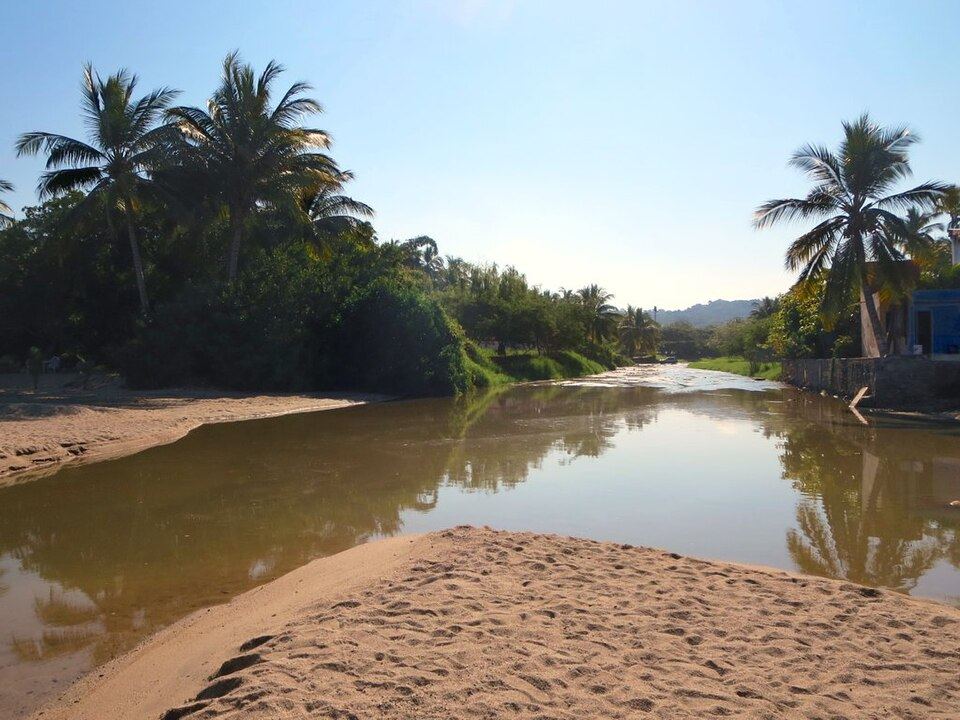

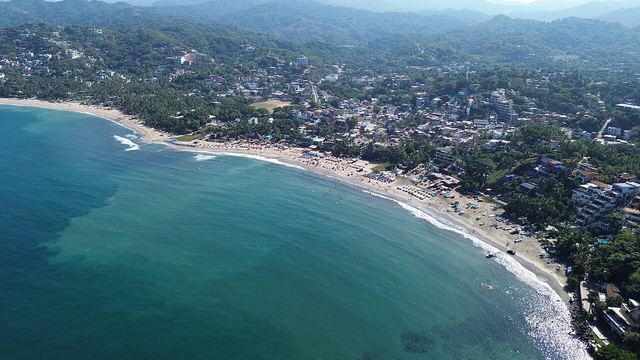
Playa Sayulita
The town beach: the sandbar in front of the boats and the right and left off the river mouth.
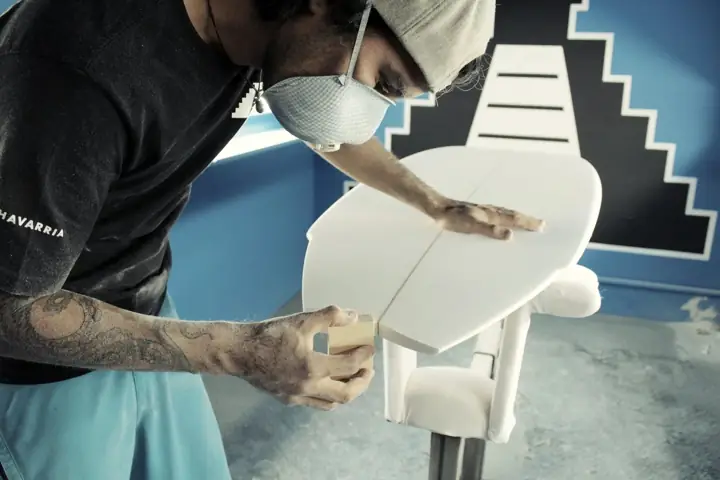
Mainland Surfboards
Local shaper with good rental boards, custom shapes and ding repair.
WildMex Surf School & Adventure Center
Big rental quiver, plus lessons and a shuttle to La Lancha when town is flat.
La Lancha and Litibú: ten minutes south
La Lancha is where Sayulita's schools take students when town is flat. It is a jungle-backed beach with a small inside wave for learners and an A-frame wedge out the back, and it picks up south swells well. Park by the WildMex shop and petrol station on the Punta de Mita road, cross the highway with care and walk the trail through the trees for 10 to 15 minutes.
There is nothing on the beach itself, so bring water, food and shade. Avoid the lowest tides, when rocks show on the inside, and expect a few lesson groups on good days.
Further along toward Punta de Mita, Litibú is a long, empty beach between Higuera Blanca and Punta Negra. It is mostly a dumping shorebreak that closes out easily; a good southwest swell can shape a left. Go for the space, on a small day, rather than for the quality of the waves.
WildMex Surf School & Adventure Center
Runs a surf shuttle to La Lancha if you don't have a car.
Punta de Mita: reefs, a fishing-village right and the boat breaks
Punta de Mita, about half an hour's drive south, catches swell from both hemispheres, so something usually works. In the fishing village of Corral del Risco, El Anclote is a slow, long right over reef and sand in front of the main beach, a classic longboard and learning wave once a south swell of about four feet or more is running. Stinky's, by the fishing jetty nearby, is a similar rolling right that longboarders and paddleboarders like; there is rock under the whitewater, and pangas come and go through it.
On the road back toward Sayulita, the reefs get punchier. Burros, in front of the Palladium resort, is a wedging right with a smaller left: fun at chest high, serious on big summer swells. Park on the road to the resort and walk about 20 minutes through the forest. Veneros, east of Burros near the W hotel, is a fast reef-and-sand break that wants clean southwest groundswell, and Swimming Pools, just west of it, is a right the state tourism board recommends to longboarders.
Out at the tip of the peninsula are the boat breaks. La Bahía, often called The Cove, is an exposed reef with hollow rights and a shorter left that take northwest and southwest swells. El Faro is a hollow right over rocky reef at the very end of the point, for experienced shortboarders on a strong swell. El Skupa, a boulder-bottomed right in front of the St. Regis, is mellow when small. The shore at all three is resort land, so you go by panga from El Anclote beach.
Book the boat for first light: at the Punta de Mita reefs the onshore wind often arrives by late morning.
For learners and longboards
- El Anclote, on a south swell
- Stinky's, at low tide
- Swimming Pools, if you can manage a paddle
For confident surfers
- Burros and Veneros, on summer swells
- La Bahía (The Cove), by boat
- El Faro, by boat, on a strong swell

North: San Pancho, Lo de Marcos and the long drives
San Pancho, about 15 minutes north, has a mile-long beach of fast, dumpy peaks over sand and cobbles, with a reefy left toward the south end. It comes alive on big southwest swells, often in autumn, and on those days it is no place for learners. Go early, before the afternoon onshore wind, and watch for cobbles and reef near the river mouth at low tide.
Between San Pancho and Malpaso, Ostiones is a secluded reef left reached by boat or a long hike. It needs a solid southern swell, and there is no help nearby, so never go alone.
Lo de Marcos, about 25 minutes north, is a long town beach with punchy sand peaks that locals surf; it is quieter than Sayulita but closes out on bigger swells. At the south end of the bay, a short, steep left wraps around the cliffs on big south to west swells, usually in high summer.
Further still, Chacala (a little over an hour) has La Caleta, a left point over shallow reef reached by fishing boat, and the fickle Colorine nearby; agree a pickup time with the boatman before you paddle out. Near San Blas, about two and a half hours away, Las Islitas is a famously long sand-and-rock point that only lines up on a handful of days a year, and Stoners is a boulder-bottomed right; take the beach track rather than wading the river, which has crocodiles, and bring strong insect repellent.

Beaches that look surfable but mostly aren't
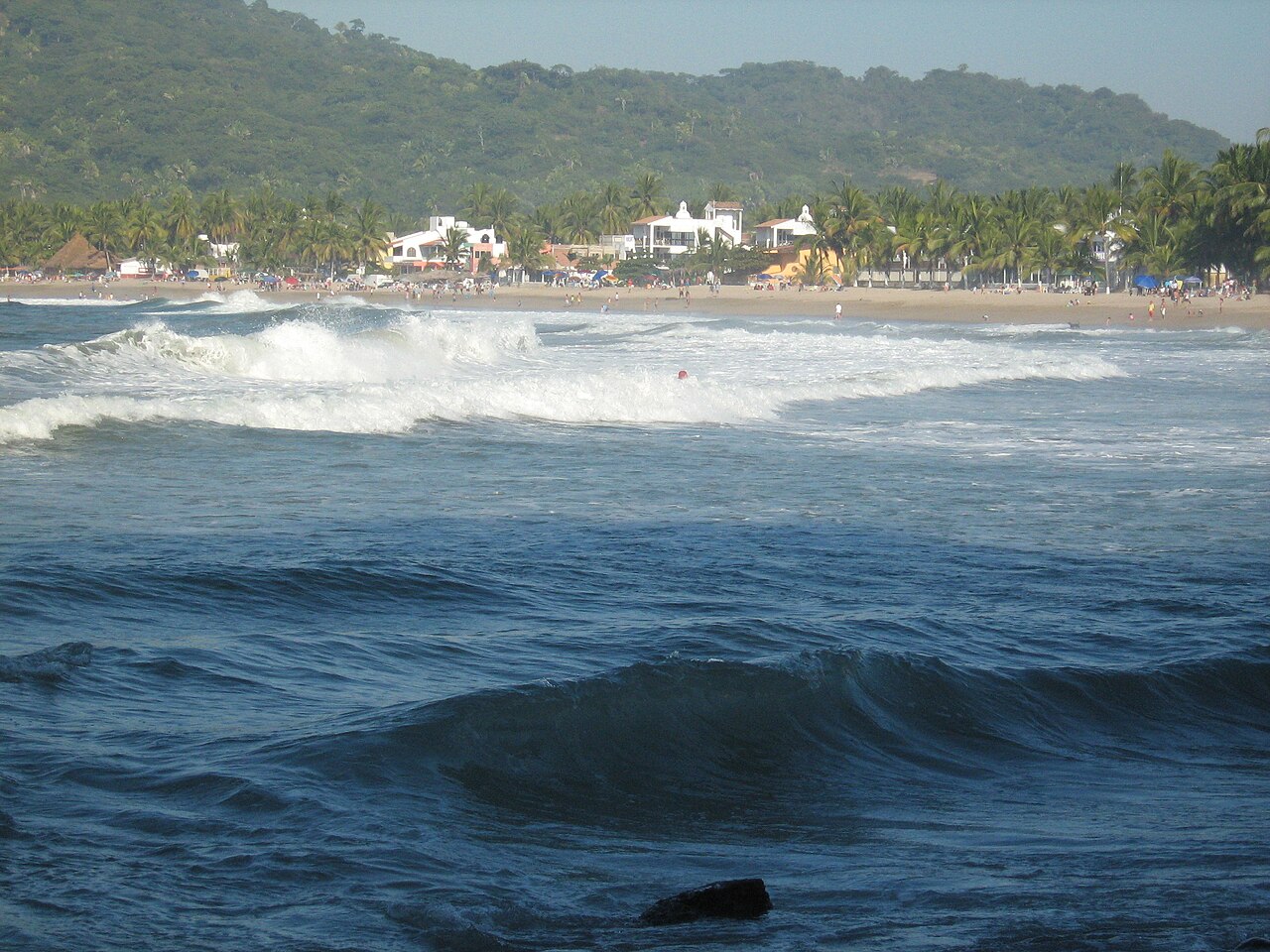
Walk out of town and you'll find empty beaches with waves breaking on them. Most are better for a walk than a surf. Malpaso and Las Cuevas, north over the headland, have strong rips and shorebreak, and no surf guide treats them as a regular break. Carricitos, over the hill to the south, has a powerful dumping shorebreak and boulders. Patzcuarito, further south, is broken up by reef and hit by heavy shorebreak.
Playa los Muertos is the opposite: a sheltered cove where the rocks block most of the swell. It is usually flat, which makes it the place to swim or paddleboard on a day when the surf isn't worth it.
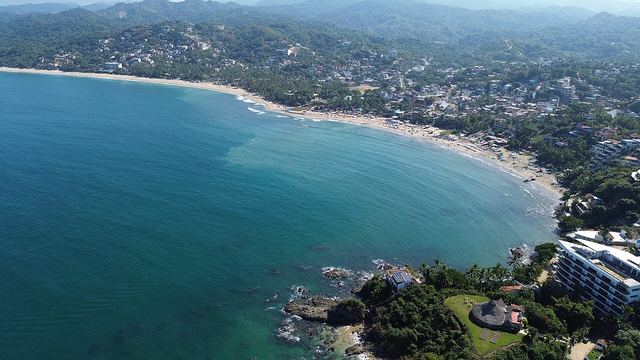
Playa los Muertos
Sheltered cove south of town, usually flat; swim or paddleboard here, don't surf.
Playa Carricitos
Wild beach over the hill with heavy shorebreak; for sunsets, not surfing.
Playa Malpaso
Empty beach north of town with strong rips; go for the walk.
Playa Patzcuarito
Remote beach of reef and pounding shorebreak; bring company and everything you need.
Getting there, and coming home in one piece
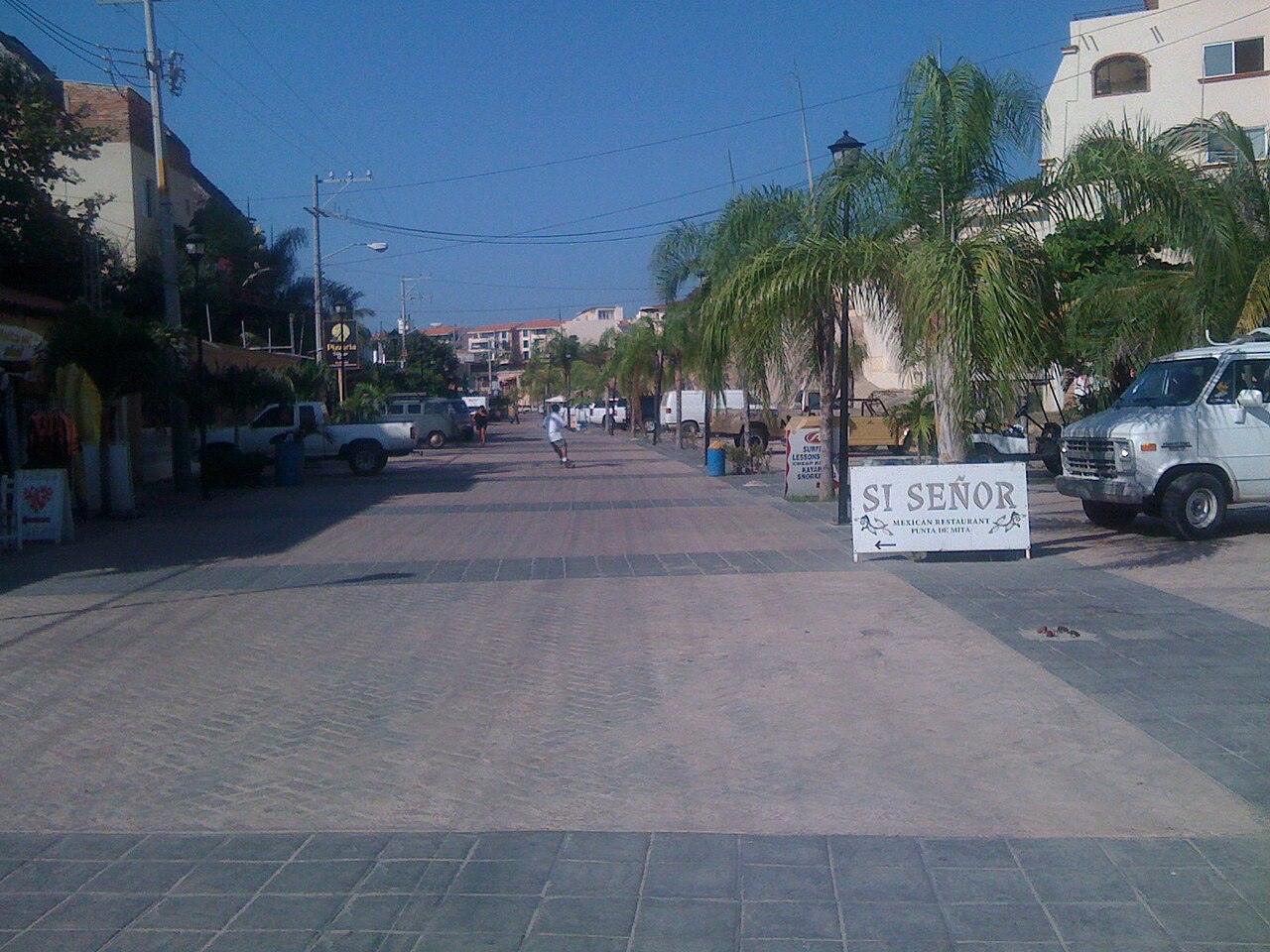
You can walk to every town wave in under ten minutes from the plaza. For La Lancha, Litibú and Punta de Mita, a car, taxi or the WildMex shuttle is easiest; the drive to Punta de Mita takes about half an hour. San Pancho and Lo de Marcos are up Highway 200, and buses and taxis run between the towns.
Bring booties for reef and river-mouth waves, where urchins live on the rocks. Respect the local lineup at the reefs, where localism has been reported, and don't paddle a lesson board onto a point. At the remote spots, never surf alone, tell someone where you're going and carry water.
Questions people ask
Where should a beginner surf in Sayulita?
On the sandbar in front of the fishing pangas on the main beach, ideally with a lesson. When town is flat, schools take learners to La Lancha, ten minutes south.
Is Punta de Mita good for beginners?
Parts of it. El Anclote and Stinky's in the village are slow rights that suit longboards; the reefs further out, such as El Faro and The Cove, are for experienced surfers and reached by boat.
How do you get to La Lancha?
Drive or take a taxi toward Punta de Mita, park by the WildMex shop and petrol station, cross the highway and walk the 10 to 15 minute trail. WildMex also runs a shuttle.
When is the best surf around Sayulita?
Winter northwest swells (about November to April) are best for the town waves and for learning; summer south swells (about May to October) bring the reefs and points to life.
Is San Pancho good for surfing?
For experienced surfers on a southwest swell. The peaks are fast and dumpy over sand and cobbles, so learners are better off in Sayulita.
Written by sayulita.co from our own research, checked against 24 sources. Nothing here is paid for. Photos: Gustavoarroyofotos (CC BY-SA 4.0); David Stanley, CC BY 2.0 (CC BY 2.0); Lynx Burgos (CC BY-SA 3.0); Elbeta (CC BY-SA 4.0). See something out of date? Tell us.
