



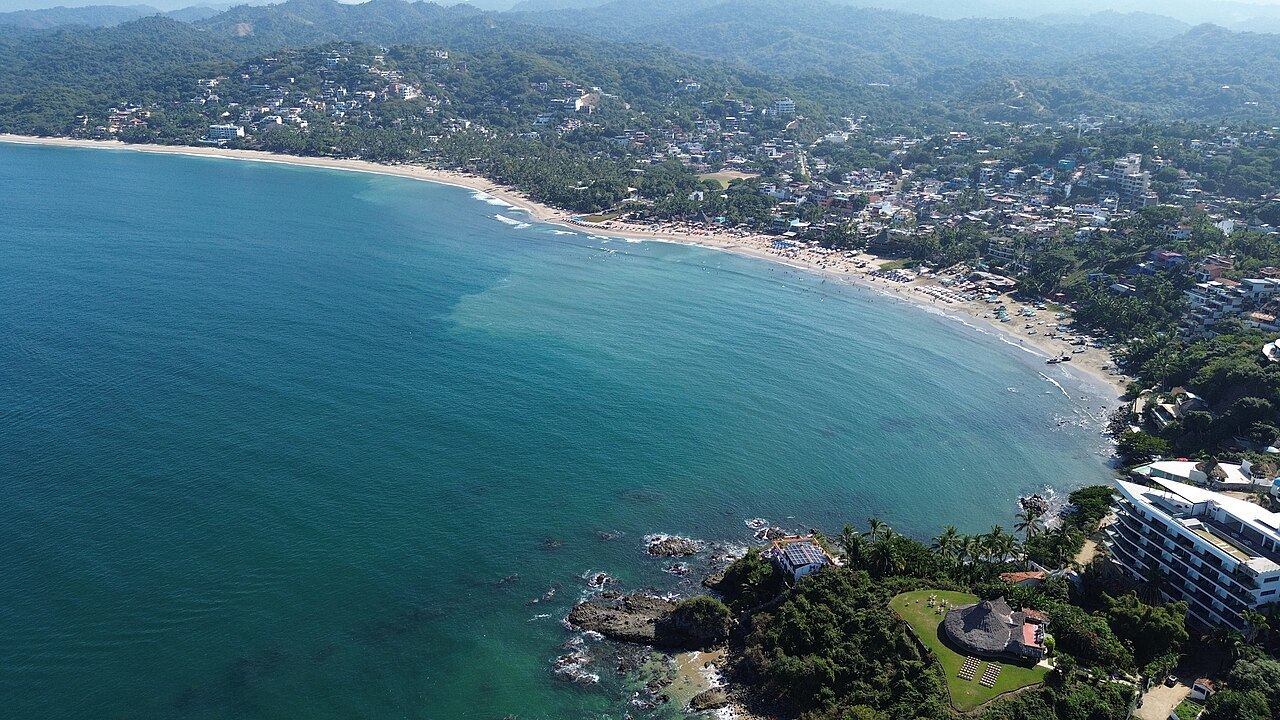
Sayulita is a beach town of cobblestone streets, taco stands and surf schools, and it's warm all year. Most visitors overpack the clothes and forget the small things that make a difference: shoes that grip wet stones, repellent that works, and cash for the places that don't take cards.
The big variable is the season. November to May is dry, sunny and busy. June to October is hot, humid and green, with afternoon storms. Here's what to bring for each, and what you can simply buy when you get here.
The basics, any time of year
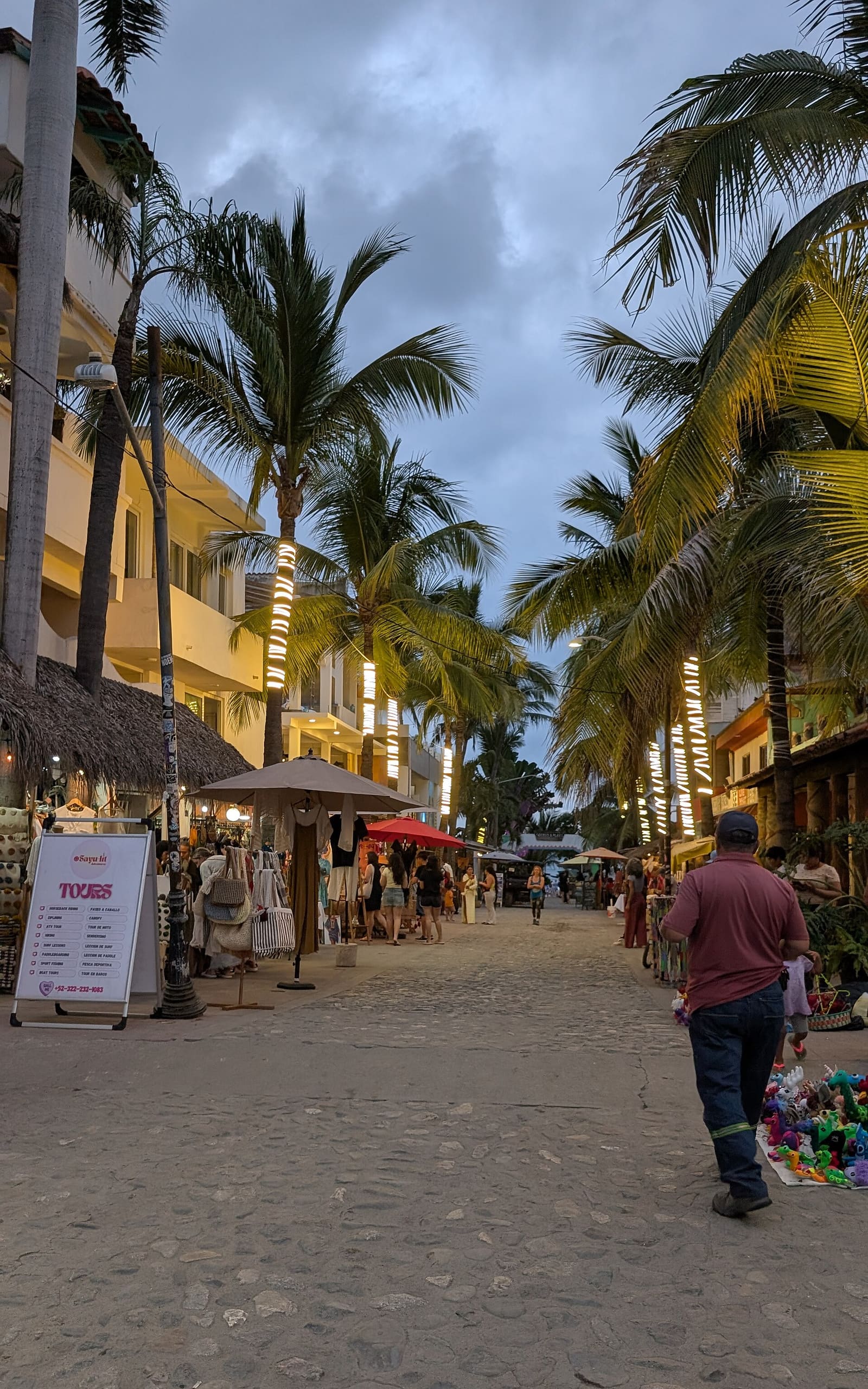
Pack for heat and sun: loose cotton or linen, a couple of swimsuits so one can dry, a wide-brimmed hat and sunglasses. Nobody dresses up here. A sundress or a clean shirt covers you for the nicer restaurants, and shorts are fine nearly everywhere else.
Think hard about shoes. Most of the town is laid with uneven cobblestones that turn slick when wet, and heels are a bad idea on them. Bring sandals with a real sole and straps, flip-flops for the beach, and trainers if you plan to walk the jungle trails to Malpaso or Las Cuevas.
Forgot something? The center is full of shops selling beachwear, hats and bags, so there's no need to bring a spare of everything.

Hippie Market
Open-air stalls near the plaza for straw hats, woven beach bags and cover-ups if you left yours at home.

Buddha Boutique
Calle Marlín boutique making its own swimwear, light dresses and loose cotton pants for the heat.

Manyana
Simple, gender-neutral clothing and sunglasses from a brand with its own shop on Marlín.
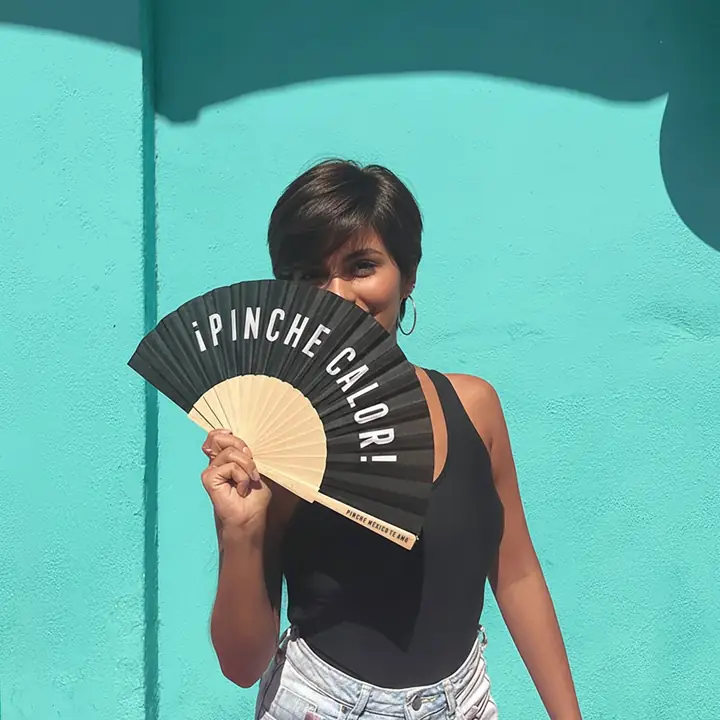
Pinche México Te Amo
Mexican-designed tees, caps and market bags: an easy way to restock and bring something home.
Dry season, November to May
This is high season: sunny days, little rain, low humidity and the busiest town of the year. Days are warm, so the core list above is most of what you need.
Add one light layer, like a long-sleeved shirt or a thin sweater, for breezy evenings and early boat trips. The ocean is at its coolest in late winter and early spring, around 23–24°C on average in February and March, so if you surf or swim at dawn, a 2 mm neoprene top or a shorty keeps you in the water longer.
Whale-watching season runs through the dry months, and the boats are open to the wind and spray. Bring a windbreaker and something to keep your phone dry.
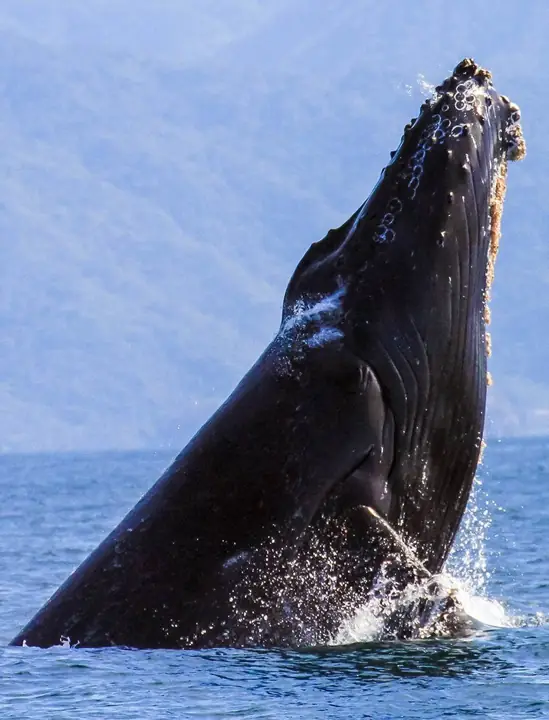
La Orca de Sayulita
Small, biologist-led boat trips from the beach; dress for wind and spray, not just sun.
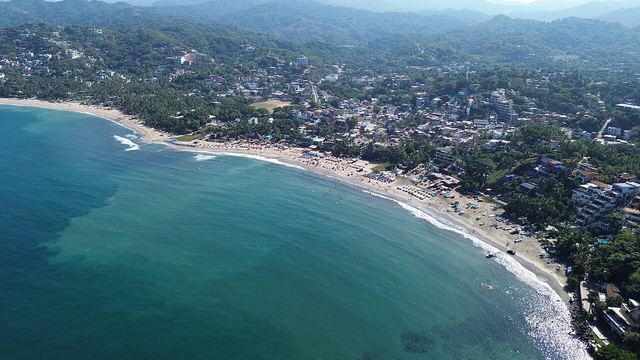
Playa Sayulita
The main beach, busiest in high season; a rash guard and a hat do more than a second bottle of sunscreen.
Rainy season, June to October
Summer is hot and humid, the jungle turns green, and July to September are usually the wettest months. The typical pattern is a sunny morning, a heavy shower or storm in the afternoon or evening, then a warm night. The sea is at its warmest, close to 30°C in August.
Bring quick-dry clothes over cotton, because nothing fully dries in the humidity. Pack a light rain jacket or a compact umbrella, sandals you don't mind getting soaked, and a dry bag or zip-lock bags for your phone and passport when you're out in a downpour.
The eastern Pacific hurricane season runs from May 15 to November 30, with the most activity in late summer and early fall. Direct hits on Sayulita are uncommon, but travel insurance is worth having in these months. Our Surf & weather page tracks storms and tides from official sources.
Some restaurants and shops close for a few weeks in September or October, so a short list of backup dinners helps.
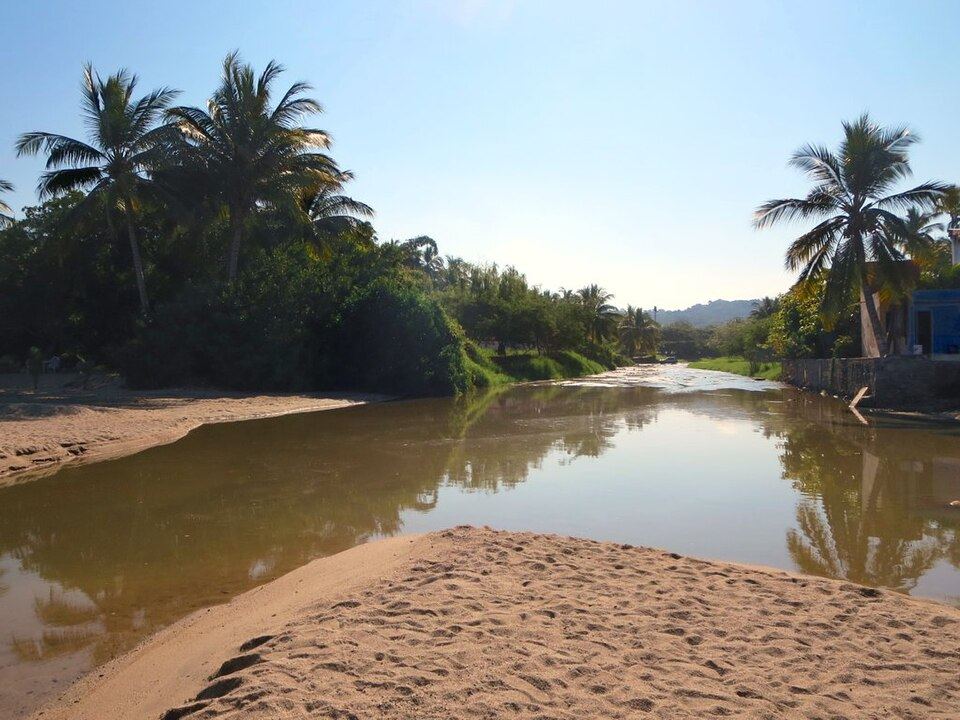

Sun, sea and surf
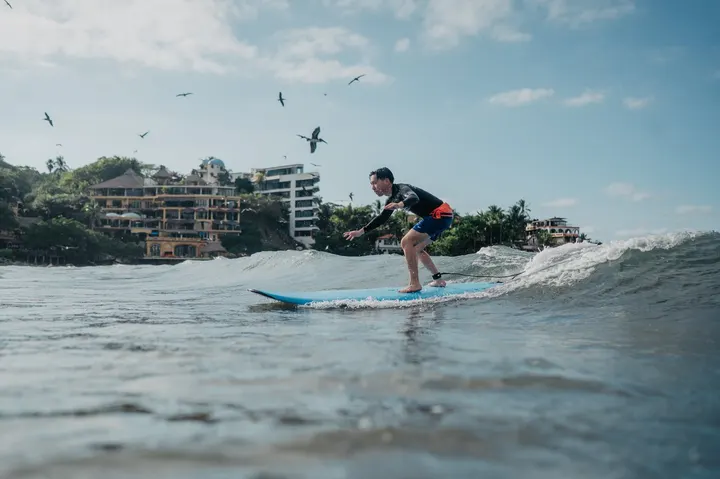
The sun is strong all year. A long-sleeved rash guard is the most useful thing you can pack: it saves sunscreen, saves your shoulders during a long surf lesson, and dries quickly. Bring a sunscreen you like, plus lip balm with SPF.
If you're going to the Islas Marietas, the national park asks visitors to avoid sunscreens with oxybenzone and octinoxate and to cover up with a rash guard instead. Mineral sunscreens (zinc oxide or titanium dioxide) are the safe choice for that trip.
Water shoes are handy for rocky coves and the trail beaches like Malpaso and Las Cuevas. You don't need to bring a board: surf schools rent them by the hour or day, and some include a rash guard with a lesson.
Mexico's health regulator, Cofepris, tests beaches before the main holiday seasons. Sayulita's main beach failed a round in early 2025 and passed the two since; results change, especially after heavy rain, so check the latest before you swim.
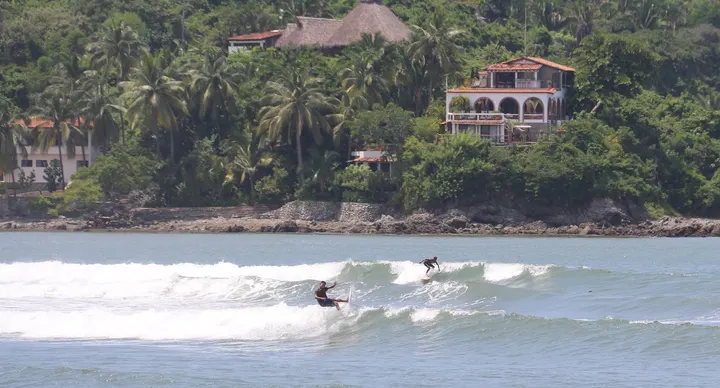
Surf'n Sayulita
Teaching since 2005; a lesson includes a rash guard, so you can travel without one.
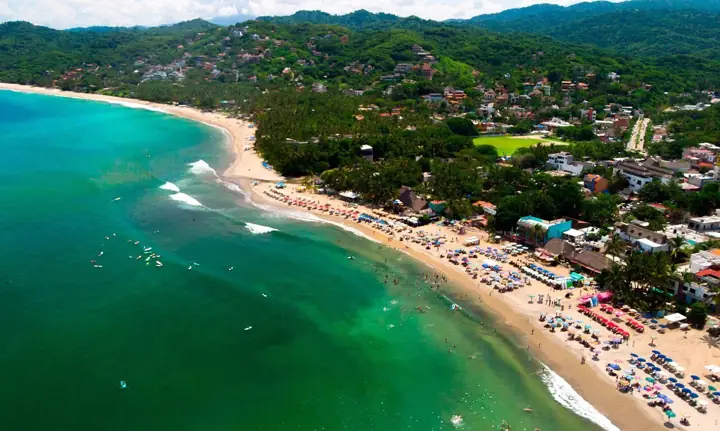
WildMex Surf School & Adventure Center
Big outfitter with hundreds of rental boards plus SUPs, so there's no need to fly with gear.
Lunazul Surf School & Shop
Surf school and shop on Calle Marlín near the break for board rentals and lessons.
Playa Malpaso
Secluded beach with rocks and small caves, reached by a jungle trail; wear trainers and pack water shoes.
Bugs, health and the pharmacy
Mosquitoes are around all year and much busier from July through October, along with the tiny biting midges locals call jejenes. Dengue occurs in Nayarit, mostly in the rainy months. The CDC recommends repellent with 20% DEET or more (picaridin also works), plus long sleeves at dusk. Bring a bottle from home, since local stock can run low in peak season.
Don't drink the tap water. Rentals usually have a garrafón, a 20-liter jug of purified water, so bring a refillable bottle and fill it there.
Pharmacies are easy to find and well stocked with sunscreen, aloe, rehydration salts (suero oral), anti-diarrheals, painkillers and repellent. Antibiotics need a Mexican prescription, though many pharmacies have a small doctor's office attached. Bring your regular prescriptions in their original packaging, enough for the whole trip.
Farmacias del Pacifico
North-side pharmacy for sunscreen, after-sun, rehydration salts and everyday medicines.
Farmacia PVR
Another pharmacy in the center for basics and over-the-counter medicines.
Oxxo
The convenience chain in the center for bottled water, snacks and small top-ups at most hours.
Cash, cards and the small stuff
Bring some pesos and a debit card that charges low foreign fees. Taco stands, beach vendors and plenty of restaurants take cash only, and some places add a surcharge for cards. Use ATMs attached to banks or inside businesses rather than freestanding machines, and when the screen offers to charge you in your home currency, choose pesos.
ATMs in town can run empty or go offline on busy weekends and holidays, so take out cash early in the day and keep a reserve. San Pancho and Bucerías are the nearest backups.
Mexico uses the same plugs and 127-volt current as the US and Canada. Visitors from Europe or the UK need an adapter, and older outlets often take only two flat pins, so bring an adapter if your charger has a third grounding pin. A small power bank and a headlamp come in handy in a storm.
Questions people ask
What should I wear in Sayulita?
Light, casual beach clothes: shorts, sundresses, swimwear and a cover-up. Sturdy sandals beat flip-flops on the cobblestone streets, and a light layer helps on dry-season evenings and boat trips.
Do I need cash in Sayulita?
Yes. Many taco stands, beach vendors and smaller restaurants are cash only. Bring some pesos and withdraw more from bank ATMs early in the day, as machines can run out on busy weekends.
Is it rainy in Sayulita in summer?
Yes. The rainy season runs roughly June to October, with July to September usually the wettest. Mornings are often sunny, with storms in the afternoon or evening.
Do I need a wetsuit to surf in Sayulita?
Usually not. A rash guard is enough most of the year. In February and March, when the water averages around 23–24°C, a 2 mm top or shorty helps for early sessions.
Can I buy sunscreen and bug spray in Sayulita?
Yes, at pharmacies and convenience stores in town, though prices are higher and repellent can run short in the rainy season. Bring mineral sunscreen if you're visiting the Islas Marietas.
Can you drink the tap water in Sayulita?
No. Drink purified water. Most rentals have a 20-liter garrafón, so a refillable bottle is worth packing.
Written by sayulita.co from our own research, checked against 21 sources. Nothing here is paid for. Photos: Luisalvaz (CC0) (CC0); গীতাশ্ৰী গগৈ আপ্তে (CC BY-SA 4.0); David Stanley, CC BY 2.0 (CC BY 2.0). See something out of date? Tell us.
